


Танака
НатуральнийДЕРЕВИНА Й МОХИдеревний · вершковий · теплий
Базові нотиПіраміда
—Сила
—Стійкість
1Походження
Зразок
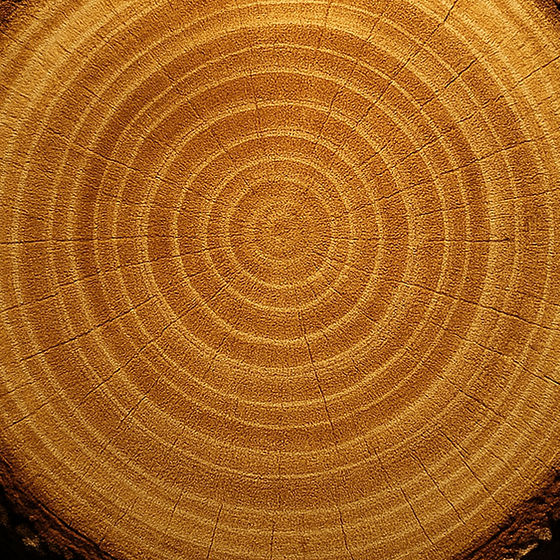
Hesperethusa crenulata
Визначення
Thanaka wood is the bark, wood or roots of a thanaka tree, ground with water into the cosmetic paste thanaka. Thanaka has a fragrant scent somewhat similar to sandalwood.
Boisé96
Terreux93
Vert67
Fumé53
Résineux42
Doux26
Thanakha, Krajae, Mahavilvam, belinggai
- Type
- Складник
- Olfactive family
- Деревні
- Source
- Bark, wood or roots
- Chemical class
- coumarins
Інструменти
Піраміда
ВВерхні ноти
СНоти серця
ББазові ноти
Країни-виробники
М’янма
Запах
В ароматах PREMIEREPEAU
Теруар і зрілість
Докладно
Цікавий факт
The legend of Queen Phantwar of Peikthano, who loved thanaka, is a favourite children's bedtime story in Myanmar.
Отримання й хімія
Спосіб отримання
Thanaka cream is made by grinding the bark, wood, or roots of a thanaka tree with a small amount of water on a circular slate slab called kyauk pyin, which has a channel around the rim for the water to drain into. The paste is made by mixing thanaka powder with water.
- Формула
- Complex natural mixture (key constituents: marmesin C₁₄H₁₄O₄)
- Ботанічна назва
- Hesperethusa crenulata
- Синоніми
- Thanakha, Krajae, Mahavilvam, belinggai
Статус IFRA
Див. приміткуNo IFRA Standard for the material itself (51st Amendment)
Див. також
6 ноти