


Цвіт груші
АкордКВІТИквітковий · свіжий · фруктовий
Ноти серцяПіраміда
—Сила
—Стійкість
6Походження
Зразок
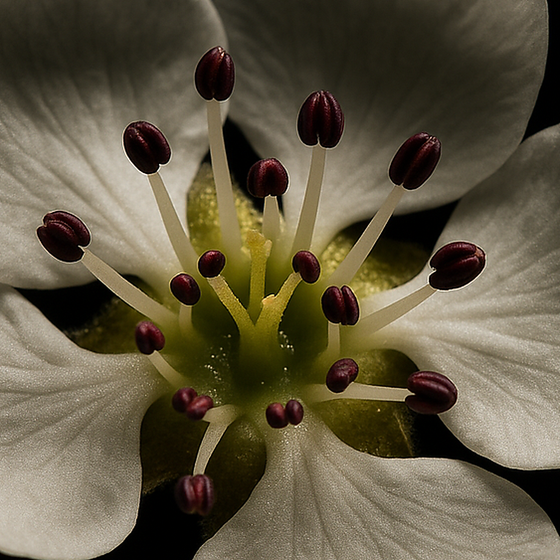
Pyrus communis
Фантазійний/концептуальний
Визначення
Pear blossom is the white flower of the common pear, Pyrus communis, a species in the family Rosaceae. The flowers are white, rarely tinted yellow or pink.
КВІТКОВИЙ ЗЕЛЕНИЙ СОЛОДКИЙ ФРУКТОВИЙ СВІЖИЙ
- Type
- Акорд
- Olfactive family
- Квіткові
- Source
- flower
Інструменти
Піраміда
ВВерхні ноти
СНоти серця
ББазові ноти
Країни-виробники
Китай Аргентина Туреччина Південно-Африканська Республіка Сполучені Штати Італія
В ароматах PREMIEREPEAU
Докладно
Отримання й хімія
Спосіб отримання
Synthetic odorants are made by organic synthesis and then purified. Odorants from natural sources are taken from the raw material by various extraction methods, which give essential oils, absolutes, concretes or butters.
- Ботанічна назва
- Pyrus communis
- Зовнішній вигляд
- White flowers, rarely tinted yellow or pink
Статус IFRA
Див. приміткуNo IFRA Standard for the material itself (51st Amendment)
Див. також
8 нотиФіалка квітковий · фіалка Ірис пудровий · землистий · фіалка Тубероза квітковий · наркотичний · вершковий Апельсиновий цвіт квітковий · медовий · цитрусовий Лілія квітковий · зелений · восковий Квітка огірка квітковий · свіжий · фруктовий Цвіт лоха колючого квітковий · фруктовий · свіжий Цвіт сакури квітковий · свіжий · фруктовий
