


Паста з бобів адзукі
АкордНАТУРАЛЬНІ Й СИНТЕТИЧНІ, ПОПУЛЯРНІ Й НЕЗВИЧНІсолодкий · вершковий · землистий
Ноти серцяПіраміда
—Сила
—Стійкість
3Походження
Зразок
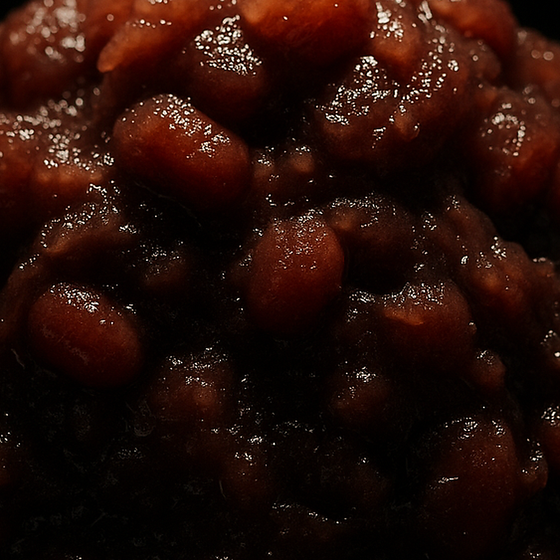
Vigna angularis (azuki bean)
Фантазійний/концептуальний
Визначення
Red bean paste, also called anko, is a paste made of red beans, used in East Asian cuisine. Its main ingredients are red beans and sugar or honey.
ЗЕМЛИСТИЙ СОЛОДКИЙ ТЕПЛИЙ СВІЖИЙ ВЕРШКОВИЙ
Red bean jam, adzuki bean paste, anko, dòushā
- Type
- Акорд
- Olfactive family
- Гурманські
- Source
- Red beans (adzuki beans) and sugar or honey
Інструменти
Піраміда
ВВерхні ноти
СНоти серця
ББазові ноти
Країни-виробники
Японія Китай Корея
Запах
В ароматах PREMIEREPEAU
Докладно
Отримання й хімія
Спосіб отримання
The paste is prepared by boiling the beans, then mashing or grinding them. For the smooth type, oil, either vegetable oil or lard, is usually used to cook the dry paste and improve its texture and mouth feel.
- Ботанічна назва
- Vigna angularis (azuki bean)
- Зовнішній вигляд
- Paste, usually dark red
- Синоніми
- Red bean jam, adzuki bean paste, anko, dòushā
Статус IFRA
Див. приміткуNo IFRA Standard for the material itself (51st Amendment)
У парфумерії
A gourmand note is a scent with edible or dessert-like qualities, often built with synthetic components designed to resemble food flavors. Maltol, one of the compounds behind the sweet aroma of cooked azuki beans, is used to give a pleasant aroma to fragrances, and ethyl maltol is used in perfumery to create gourmand scents.
Роль у формулі
01модифікатор
02кістяк
03фірмова нота
04формувач об’єму
05свіжість
Форми випуску
синтетичний акорд фантазійна нота
Див. також
7 ноти