


Olijfblad
NatuurlijkGROENE NOTEN, KRUIDEN EN FOUGÈRESfris · groen · houtachtig
HartPiramide
3/5Sterkte
—Geurduur
1Herkomsten
Exemplaar
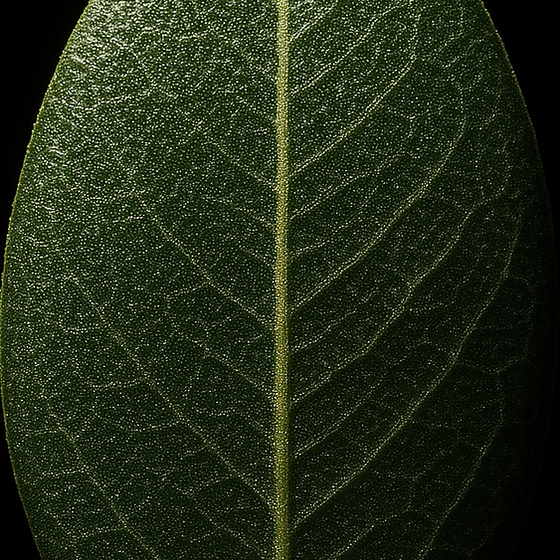
Olea europaea
Definitie
Olijfblad is het blad van de olijfboom (Olea europaea). Olijfbladeren hebben bij consumptie een scherpe, bittere smaak.
HOUTACHTIG BLOEMIG GROEN AARDACHTIG ZOET KRUIDIG FRIS
OLIJFBLAD
- Type
- Ingrediënt
- Geurfamilie
- Aromatisch
- Bron
- bladeren
- Chemische klasse
- polyfenolrijk plantaardig materiaal (secoiridoïde oleuropeïne)
Meetwaarden
Piramide
TTop
HHart
BBasis
3/5Sterkte
Gemiddeld
geurkracht
Productielanden
Middellandse Zee
Geur
Bij PREMIEREPEAU
Het hele verhaal
Wist u dat?
De Oliveira de Mouchão in Mouriscas, Abrantes (Portugal), zou 3.350 jaar oud zijn. Olijfbomen worden sinds de oudheid vereerd vanwege hun veerkracht en lange levensduur.
Extractie & chemie
Extractiemethode
De verkregen etherische oliën werden gedroogd met watervrij natriumsulfaat.
- Formule
- Complex natuurlijk mengsel (belangrijkste bestanddelen: oleuropeïne C₂₅H₃₂O₁₃; hydroxytyrosol)
- CAS
- 8001-25-0
- Botanische naam
- Olea europaea
- Uiterlijk
- Smalle, langwerpige bladeren, aan de bovenzijde stoffig groen en aan de onderzijde zilverwit
- Geurkracht
- Gemiddeld
- Synoniemen
- OLIJFBLAD
IFRA-status
Zie opmerkingGeen IFRA-standaard voor het materiaal zelf (51e wijziging)
Fysische eigenschappen
- Smeltpunt
- -6 °C
- Vlampunt
- 640,00 °F. TCC (337,78 °C.)
- Soortelijk gewicht
- 0.909-0.915
- Brekingsindex
- 1.466-1.468
Zie ook
9 notenBasilicum aromatisch · groen · kruidig Shishito-peper groen · kruidig · plantaardig Salie aromatisch · kruidig · amber Thee groen · aromatisch · droog Immortelle aromatisch · honing · kruidig Hop groen · fris · bloemig Swartzia hout IJzerhard fris · groen · bloemig Clarycet aromatisch · groen · fris
Bronnen
10- Valorizing the usage of olive leaves, bioactive compounds, biological activities, and food applications: A comprehensive reviewFrontiers in Nutrition (2022)
- Influence of Drying Methods on Volatile Aroma Compounds and Sensory Properties of Olive Leaf Herbal TeaFoods (2026)
- OleuropeinPubChem
- IFRA Standards, 51st AmendmentIFRA
- Olive leafWikipedia
- OliveWikipedia
- OleuropeinWikipedia
- Olive leaf extract supplementation improves the vascular and metabolic alterations associated with aging in Wistar ratsScientific Reports (2021)
- Unravelling the Distribution of Secondary Metabolites in Olea europaea L.: Exhaustive Characterization of Eight Olive-Tree Derived Matrices by Complementary Platforms (LC-ESI/APCI-MS and GC-APCI-MS)Molecules (2018)
- The phenolic compounds of olive oil: structure, biological activity and beneficial effects on human healthNutrition Research Reviews (2005)
