


Olivenblatt
NatürlichGRÜNE NOTEN, KRÄUTER UND FOUGÈRESfrisch · grün · holzig
HerzPyramide
3/5Intensität
—Haltbarkeit
1Herkünfte
Exemplar
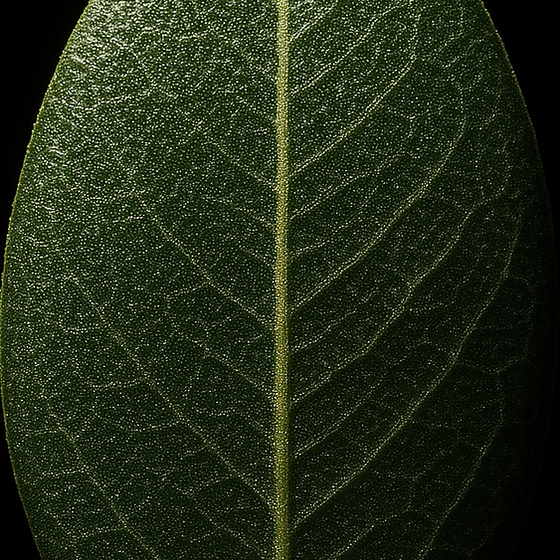
Olea europaea
Definition
Olivenblatt ist das Blatt des Olivenbaums (Olea europaea). Beim Verzehr schmecken Olivenblätter scharf bitter.
HOLZIG BLUMIG GRÜN ERDIG SÜSS KRÄUTERIG FRISCH
OLEA LEAF
- Typ
- Zutat
- Duftfamilie
- Aromatisch
- Quelle
- Blätter
- Chemische Klasse
- polyphenolreiches Pflanzenmaterial (Secoiridoid Oleuropein)
Messwerte
Pyramide
TKopf
HHerz
BBasis
3/5Intensität
Mittel
Geruchsintensität
Erzeugerländer
Mediterran
Duft
Bei PREMIEREPEAU
Die ganze Geschichte
Wussten Sie schon?
Die Oliveira de Mouchão in Mouriscas, Abrantes, Portugal, soll 3.350 Jahre alt sein. Olivenbäume werden seit der Antike wegen ihrer Widerstandskraft und Langlebigkeit verehrt.
Extraktion & Chemie
Extraktionsmethode
Die gewonnenen ätherischen Öle wurden mit wasserfreiem Natriumsulfat getrocknet.
- Formel
- Komplexes Naturstoffgemisch (Hauptbestandteile: Oleuropein C₂₅H₃₂O₁₃; Hydroxytyrosol)
- CAS
- 8001-25-0
- Botanische Bezeichnung
- Olea europaea
- Aussehen
- Schmale, längliche Blätter, oberseits staubgrün und unterseits silbrig-weiß
- Geruchsintensität
- Mittel
- Synonyme
- OLEA LEAF
IFRA-Status
Siehe HinweisKein IFRA-Standard für den Stoff selbst (51. Änderung)
Physikalische Eigenschaften
- Schmelzpunkt
- -6 °C
- Flammpunkt
- 640,00 °F. TCC ( 337,78 °C. )
- Dichte
- 0.909-0.915
- Brechungsindex
- 1.466-1.468
Siehe auch
9 NotenBasilikum aromatisch · grün · krautig Shishito-Pfeffer grün · würzig · pflanzlich Salbei aromatisch · krautig · ambra Tee grün · aromatisch · trocken Immortelle aromatisch · Honig · krautig Hopfen grün · frisch · blumig Swartzia Holz Verbene frisch · grün · blumig Clarycet aromatisch · grün · frisch
Quellen
10- Valorizing the usage of olive leaves, bioactive compounds, biological activities, and food applications: A comprehensive reviewFrontiers in Nutrition (2022)
- Influence of Drying Methods on Volatile Aroma Compounds and Sensory Properties of Olive Leaf Herbal TeaFoods (2026)
- OleuropeinPubChem
- IFRA Standards, 51st AmendmentIFRA
- Olive leafWikipedia
- OliveWikipedia
- OleuropeinWikipedia
- Olive leaf extract supplementation improves the vascular and metabolic alterations associated with aging in Wistar ratsScientific Reports (2021)
- Unravelling the Distribution of Secondary Metabolites in Olea europaea L.: Exhaustive Characterization of Eight Olive-Tree Derived Matrices by Complementary Platforms (LC-ESI/APCI-MS and GC-APCI-MS)Molecules (2018)
- The phenolic compounds of olive oil: structure, biological activity and beneficial effects on human healthNutrition Research Reviews (2005)
